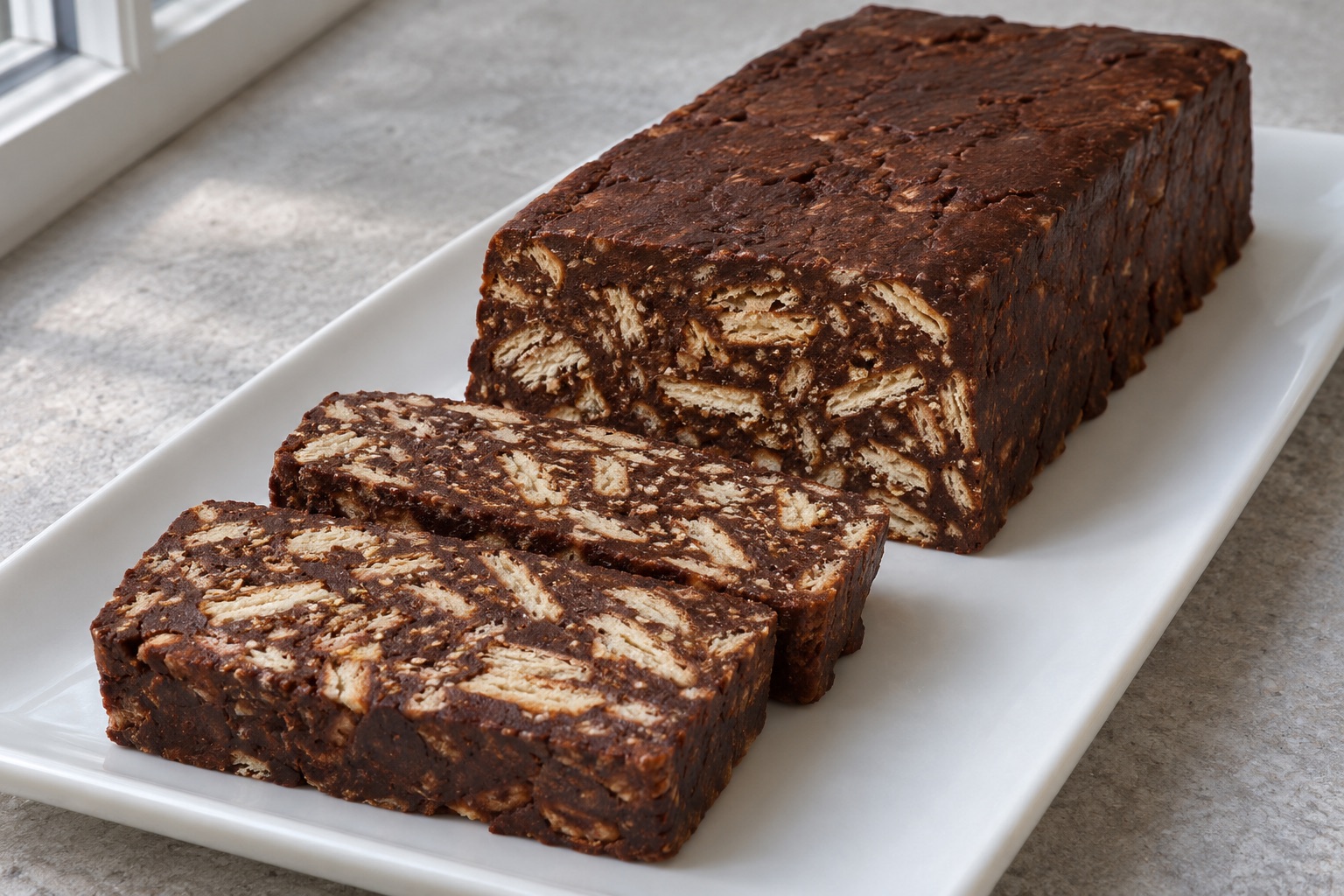
Chocolate Biscuit Mosaic Cake
An egg-free, no-bake cocoa cake with chunks of plain tea biscuits. The estimated total includes 4 hours of chilling; makes 8 slices.
See the recipe
Try a no-bake chocolate biscuit cake or a two-layer strawberry cream cake. Check the ingredients, tin size and full method first: total times include cooling and resting.
An egg-free, no-bake cocoa cake with chunks of plain tea biscuits. The estimated total includes 4 hours of chilling; makes 8 slices.
See the recipe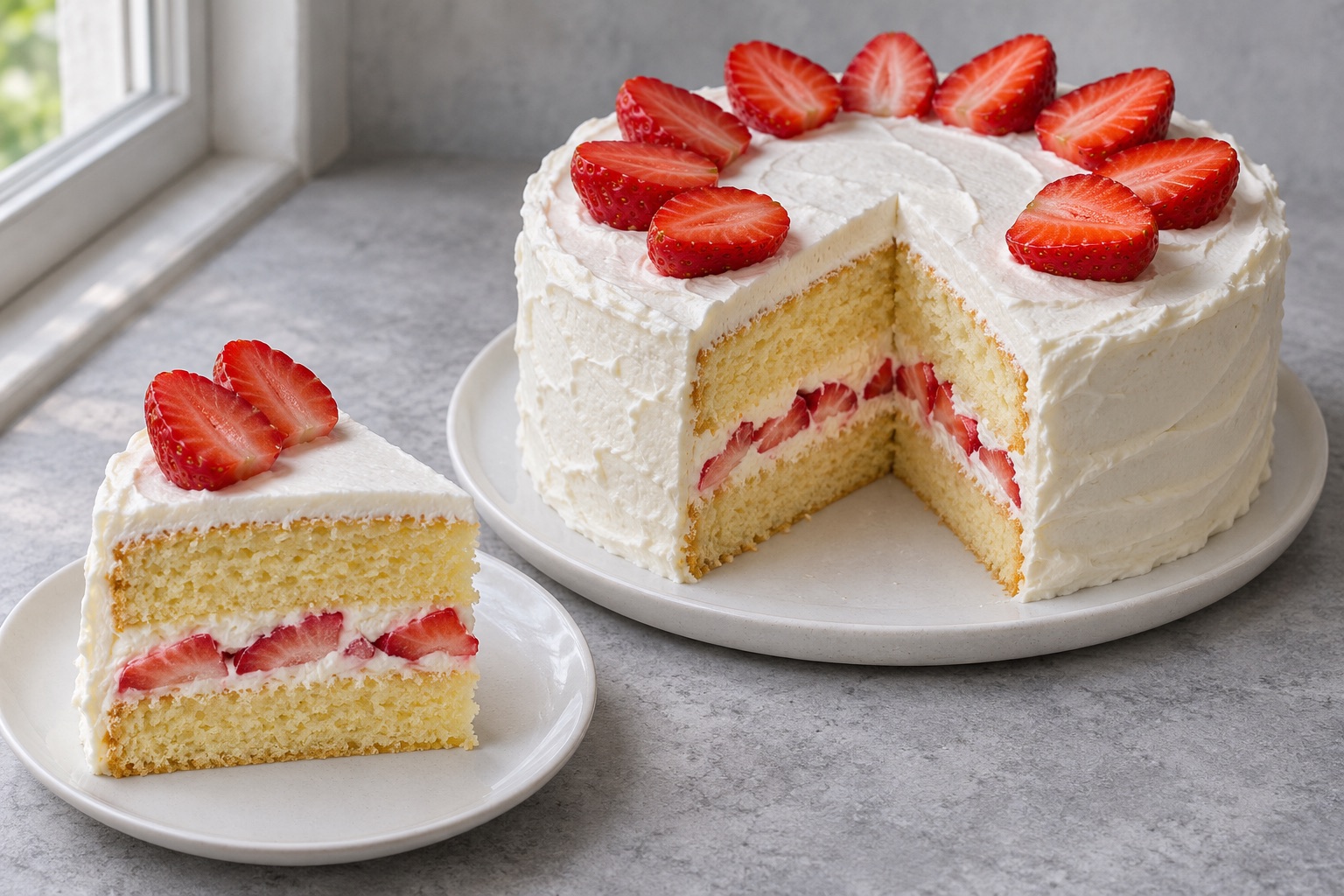
A 20 cm cake with two vanilla sponge layers, strawberries and lightly sweetened whipped cream. Makes 8 slices; the estimated total includes cooling and chilling.
See the recipeLayer cakes combine sponge or cake layers with cream and fillings. No-bake cakes may use biscuits and a binding mixture, but skipping the oven does not mean instant serving. Allow the chilling time needed for the cake to hold its shape.
A simpler cake can make a first attempt easier. Check your tin’s diameter, height and whether the base comes out. A hand whisk and electric mixer work differently, especially when incorporating air. Make sure the serving plate and fridge have enough room.
Changing tin diameter changes the depth of the mixture, baking time and ability to slice layers. A similar-sized tin gives a more predictable starting point. Adjusting oven temperature alone cannot always compensate for a very different tin.
Use the recipe’s units for flour, sugar and liquids. Cups and glasses vary; grams and millilitres reduce ambiguity where provided. Egg size and ingredient temperature also matter. Follow the mixing order instead of adding everything at once.
Spreading, piping and filling layers can require different consistencies. Cooked cream may spread if used too warm; overwhipping can damage a whipped filling. Keep the temperature and waiting steps in the cream recipe.
Drain fruit after washing and account for liquid released after cutting. Excess water can soak the layers. Cocoa and melted chocolate are not direct substitutes: their fat, sugar and liquid balance differs. Choose a suitable filling if you change ingredients.
Cool the cake before slicing it into layers. Warm layers can soften cream, and cutting too early can make the cake crumble. Spread filling evenly and consider whether thick fruit pieces or a deep filling will support the next layer. Check stability before decorating.
Work backwards from serving time: baking, cooling, making cream, assembly and resting are separate stages. Store chilled ingredients appropriately and do not leave dairy cakes out for long. Storage times vary by cake. Check allergen labels on biscuits, prepared cream and decorations too.
Active preparation may be short, but chilling or resting can take time. Include these stages when comparing total times.
Yes, but mixture depth and baking time can change. For a first attempt, a tin close to the specified size makes the result easier to judge.
Heat can soften the cream and make layers slip. Unless the recipe specifies another method, let the cake and relevant cream components cool first.